Biodiversity genomics and conservation
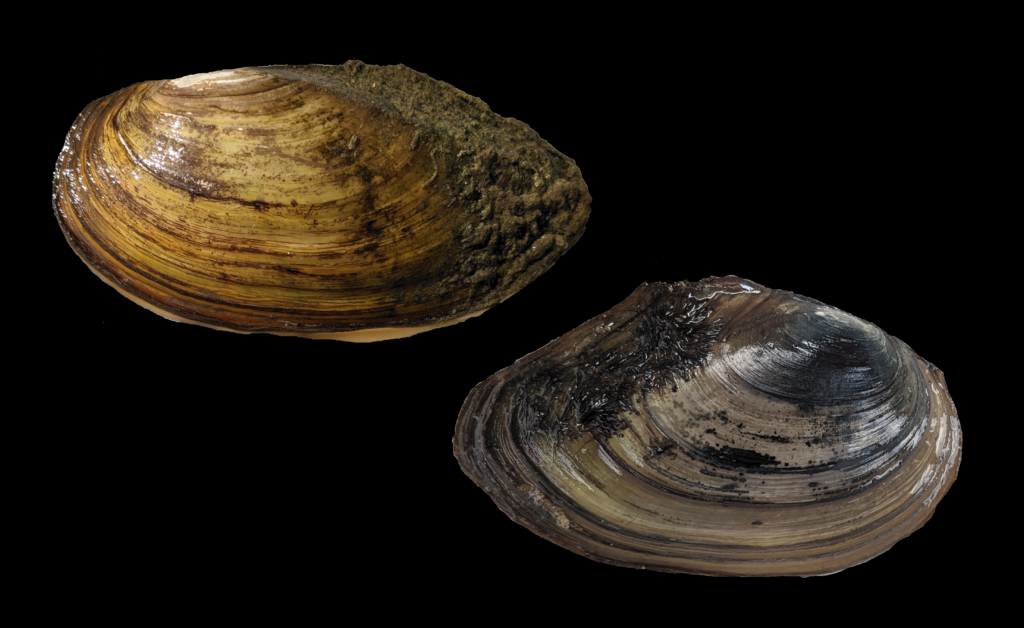
We apply genomic approaches to support biodiversity conservation, with a particular focus on aquatic ecosystems. Our work includes generating reference genomes for understudied species, developing practical methods for DNA extraction and sampling, and applying population genomics to inform conservation and management. A central focus is on freshwater mussels (Unionidae), a highly threatened group that provides key ecosystem services yet remains genomically understudied.
Adaptation genomics, plasticity, and environmental change
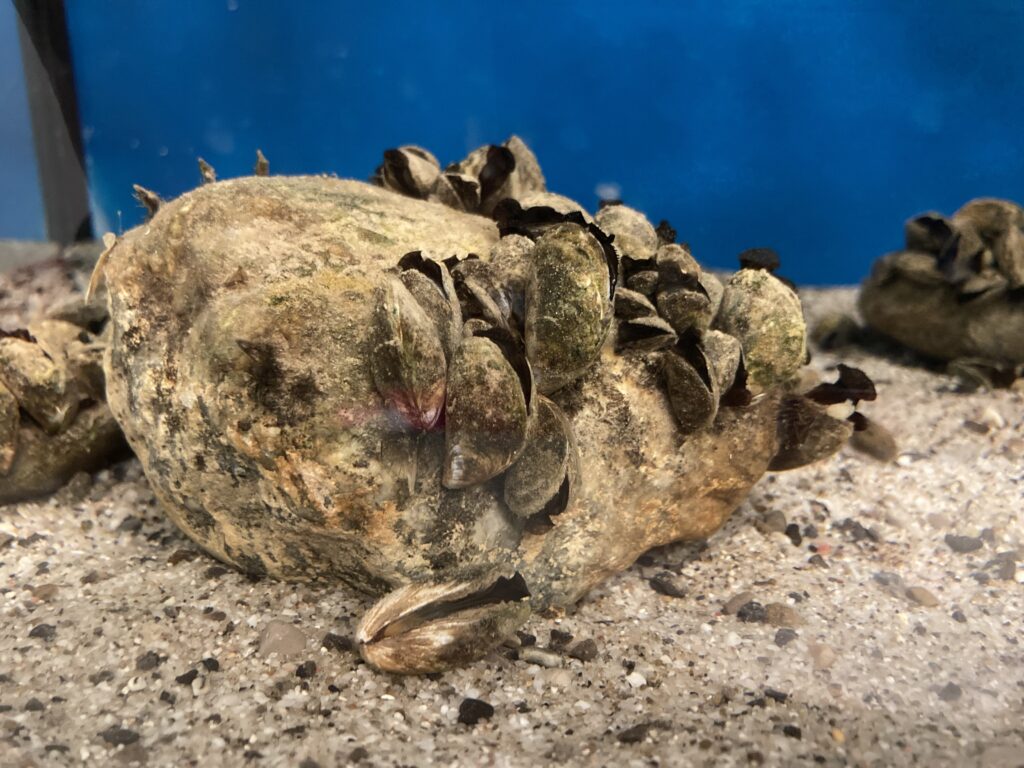
We study the (epi)genomic mechanisms underlying genetic adaptation and adaptive phenotypic plasticity in aquatic invertebrates, with a particular focus on the invasive quagga mussel. By integrating population (epi)genomics, transcriptomics, phenomics together with experimental and field approaches, we investigate invasion pathways, depth-related differentiation, and responses to environmental stressors such as elevated temperature. This work aims to improve predictions of how invasive mussels and freshwater ecosystems will respond to ongoing and future environmental change.
Foundational biology of quagga mussels for management
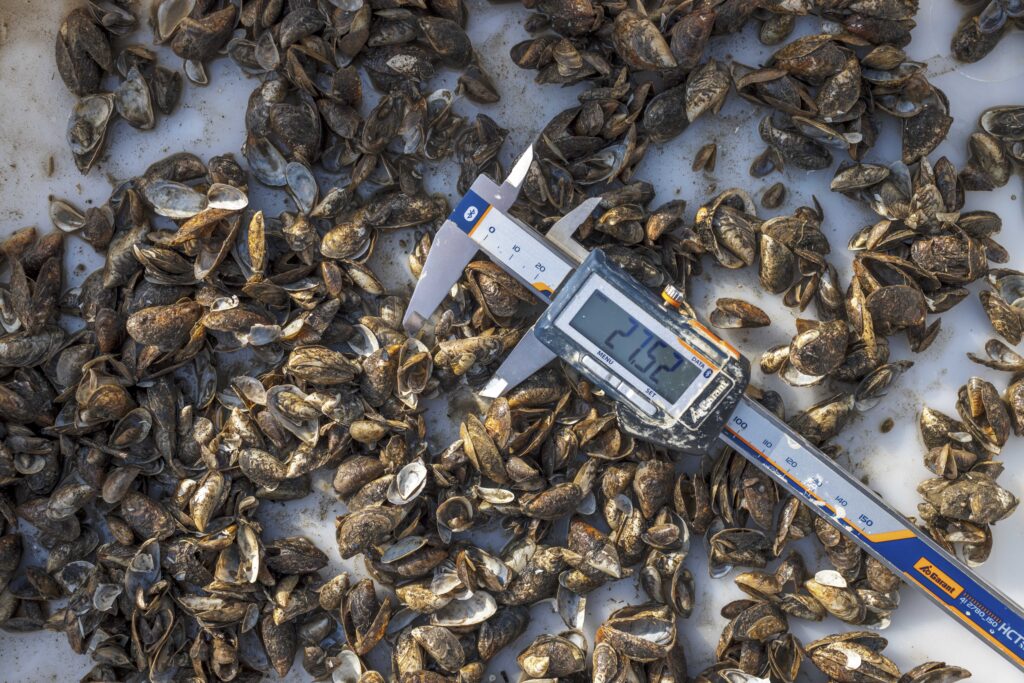
We generate fundamental biological and ecological knowledge of the invasive quagga mussel to support management and mitigation efforts. Our work spans physiology, reproduction, and sex determination, together with field-based assessments of population dynamics and fecundity, and is complemented by molecular approaches ranging from transcriptomics to genomics. By linking organismal biology with population-level processes, we aim to improve population models, assess future ecosystem impacts, and, in the longer term, contribute to the development of targeted and sustainable control approaches.