Biodiversity genomics and conservation
Ongoing project
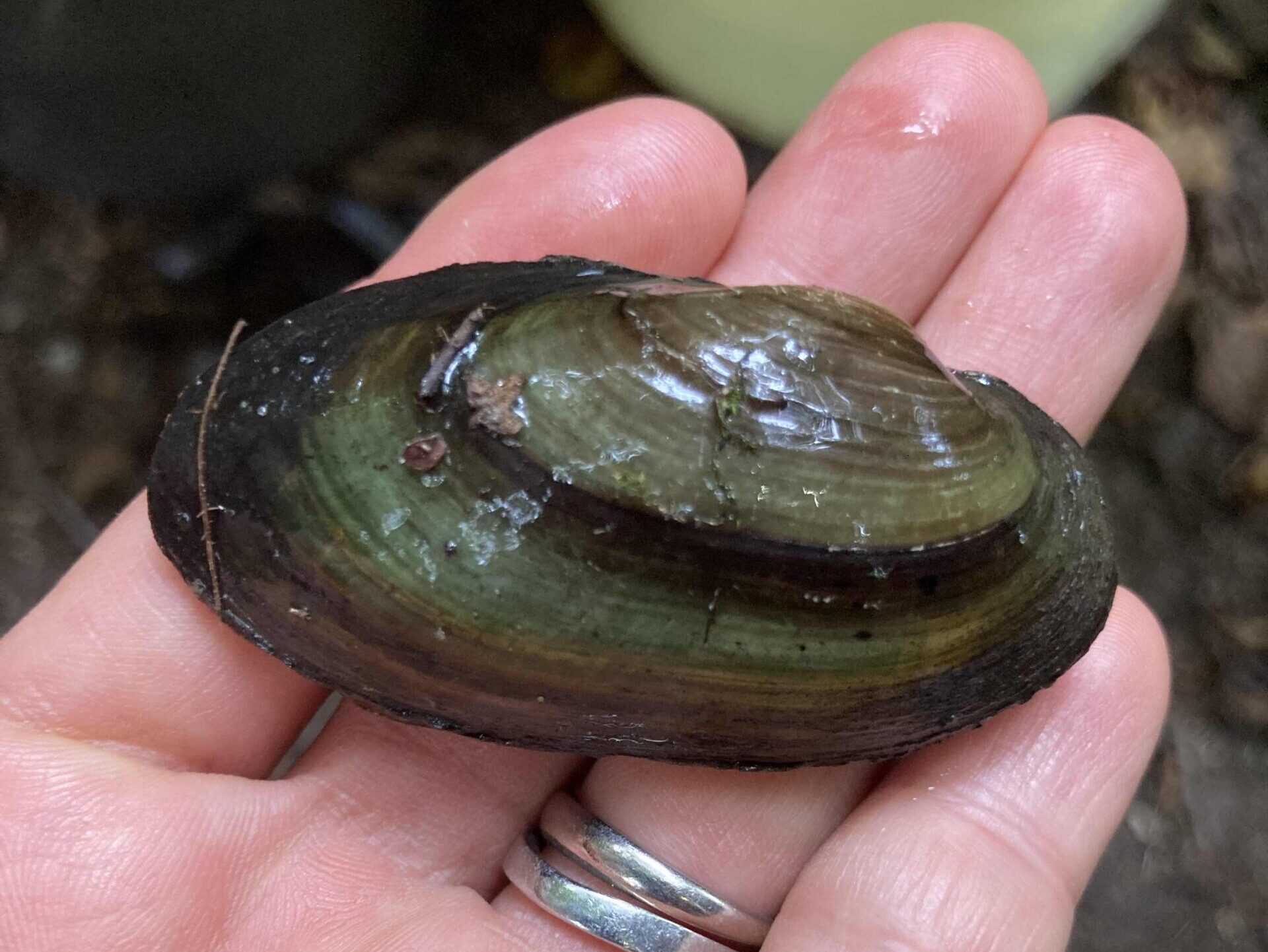
Multifaceted approach to understand freshwater mussel decline and resilience in the face of global warming
Freshwater mussels of the Unio crassus species complex are among Europe’s most endangered animals, yet the causes of their rapid decline remain poorly understood. This project investigates why some populations collapse during heatwaves while others remain resilient, focusing on the relative roles of climate warming, pathogens and parasites, and host genetic makeup. Combining conservation genomics, microbiome analyses, transcriptomics, epigenomics, and high-resolution fitness measurements across populations in Croatia and Poland, we examine resilience, hybridization, and local adaptation in U. crassus and U. nanus. By integrating biotic and abiotic stressors across molecular and ecological scales, the project aims to reveal the mechanisms driving vulnerability and resilience in freshwater biodiversity under climate change.
Team: Arianna Lord, Marco Giulio, Alexandra Weber
Main collaborators: Tadeusz Zajac, Katarzyna Zajac, Monika Mioduchowska, Jasna Lajtner, Marina Piria, Ivan Spelic, Stejpan Novosel, Lena Bonassin, Manuel Lopes-Lima
Funding: Swiss National Science Foundation & Croatian Science Foundation (Multilateral Academic Project)
Completed project
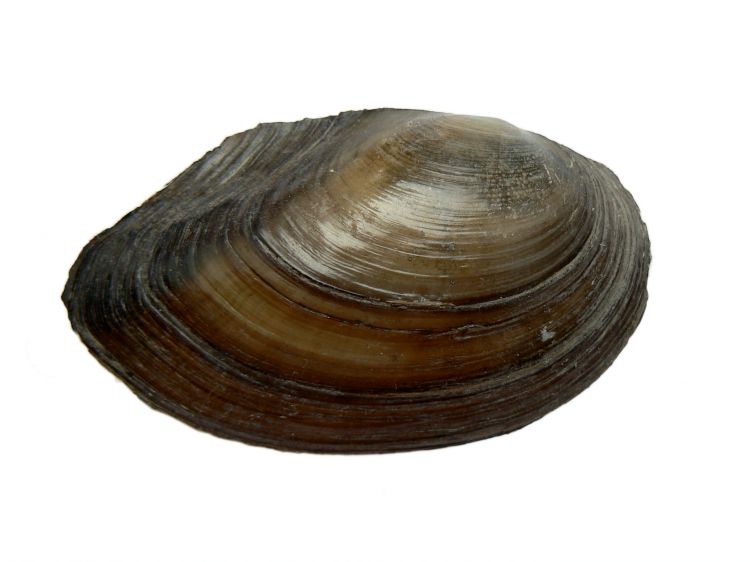
Establishing a framework for conservation genomics of freshwater biodiversity
In this project, we focus on developing and applying genomic approaches to support the conservation of threatened freshwater biodiversity, using the European grayling (Thymallus thymallus) and freshwater mussels of the genus Anodonta as model systems. For grayling, we apply genome-wide data to assess population structure, connectivity, and conservation-relevant units across Switzerland, demonstrating how genomics can inform management of freshwater fishes. For mussels, we investigated genetic diversity and cryptic species diversity in Anodonta anatina, A. cygnea and A. exulcerata, and we are currently generating foundational genomic resources, including reference genome assemblies and methodological benchmarks. Overall, the project aims to establish genomic baselines, reference resources, and transferable workflows that can be used for long-term monitoring and conservation of freshwater species.
Team: Arianna Lord, Ellika Faust, Julie Conrads, Marco Giulio, Urs Lergster, Alexandra Weber
Main collaborators: Philine Feulner, Claudio Ciofi
Funding: Eawag Discretionary Funds
Publications: